To experience disidentification is to not be able to stick a positive or negative feeling onto a label, or situation, or circumstance. Its to feel as though you don’t belong, but not in a sense where you want to belong. Its a distant feeling, and an experience where its as though you’re not in your own mind, meaning there are no thoughts about the situation that are going on in your mind. I personally have no felt this before, but I know many people who have,.
Since I am a homebody, my lifestyle hasn’t changed that much since the start of quarantine. However, I do miss having the freedom of being able going to wherever I wanted. I only go outside for groceries which isn’t often. Not getting “fresh air” often enough is starting to make me a little stir-crazy. It’s been difficult for me to concentrate on schoolwork at home because i’m so distracted by everything in my environment. Doing assignments at the library was way more ideal for me. Entertainment such as music keeps me happy during these times. I’m just going to focus on taking care of myself. Hopefully, this situation will get better soon and we won’t have to live in so much fear and uncertainty anymore.
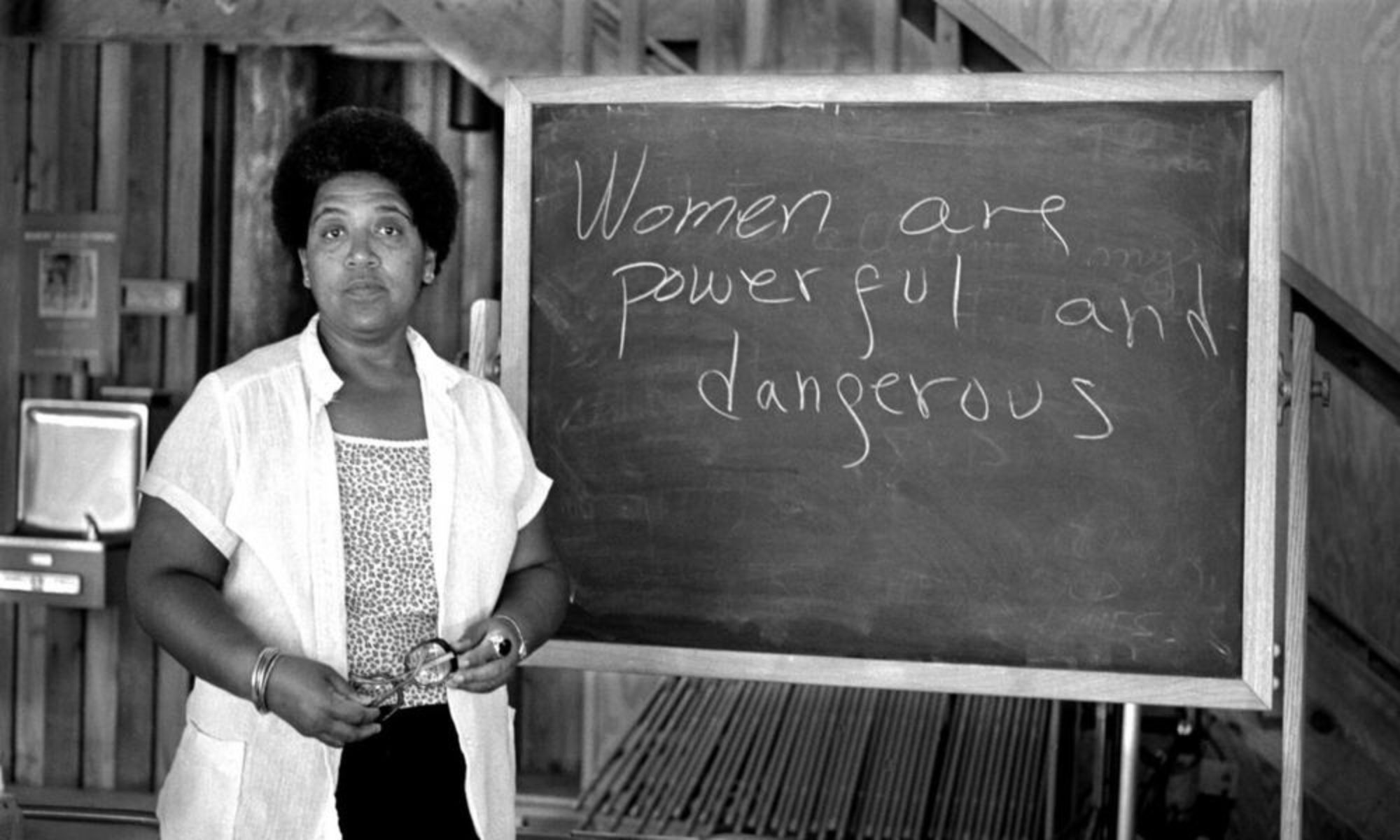
The culture wars is a common problem in society that everyone has different ideas on. Culture wars relate to feminism because it is something that has been around for a long time making everyone have a different opinion about it. Like in the text Undeclared war on American women by Susan Faludi they talk about how women must be feeling now that they are seen as equal. While everyone believes that they should be doing good, women are still having problems with themselves create by this opinions.
To disidentify with something means not to show any reaction towards something that you have encountered, so it would not change anything in that particular moment or later on. I do not really remember a time in my life where I have disidentified with something that I have encountered.
To annotate the text in hypothesis join the group by clicking the link provided by the professor which the link is( https://hypothes.is/groups/z3grRGrg/wgs-1001-spring-2020 ). Then create an account having joined the group. once there click on ” visit annotation in context” . Then highlight the section that you would like to comment on and click annotate. post when you are finished.
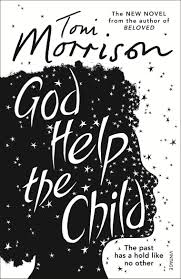
This book explains the life of an African American woman named b=Bride and how she was able to get past a life of struggle and become a successful woman. However, even as an adult the events of her childhood still haunts her.
The book starts off by explaining the birth of Bride formerly known as Lula Anne Bridewell, who was born darker than both of her parents. Her father Louis, believed that Lula Anne was not his child because he had a “yellow” complexion and the baby was midnight black. Due to this, he left his child and his wife after 3 years. Bride did not have the easiest childhood as her mother prohibited her from calling her “mom” or “mother.” Instead, she told her forsaken daughter to address her by her first name, Sweetness. Sweetness sees Lula Ann’s color as “a cross she will always carry.”
By the time she reaches an adult, she makes drastic changes to her “countrified” name and decides to name herself Bride, no last name. Bride is living with her boyfriend Booker Starbern, who she barely knows anything about. She is willing to stay with him as long as he treats her like the center of his universe. But after seemingly small argument, Starbern leaves Bride behind.
Even though Bride is saddened by the loss of her boyfriend, she is more focused on the release of Sofia Huxley, a child molester that she falsely testified against. She visits Huxley upon her release date and carries a couple thousand in cash, an airline ticket, products from her cosmetics line and more gifts to greet Huxley. Unfortunately, Huxley is not pleased by her presence and beats her until she needs plastic surgery to reach near recognition.
Towards the end, Bride goes on a search for her ex-boyfriend and to find out more about who he is. She finds him, but things take a turn for the worse. Her friend who helped her find her ex-boyfriend died in a house fire after returning from helping Bride and Starbern settle their differences. After her friend’s death, Bride tells Starbern her situation and what she’s been through and lets him know that she is pregnant with his child.
The book ends with Bride’s mother in a nursing home telling the story of her daughter and although she is happy about having a grandchild, she knows she will probably never get to see this child.
This connects to Morrison’s point of racism in Playing In The Dark. Although what happens in this book is not exactly racism, it is still some form of discrimination that results to similar disparities that Morrison mentions. In her essay, Morrison basically says that to evade race in literature is an act of racism. Bride’s parents refusal to accept her color is an effect of racism. The darker black is always seen as less of amongst the whole race. According to Morrison, skin color creates a polarity (38). This polarity is seen in the life of Bride, the moment she came out of her mother’s womb. Morrsion also mentions that there are certain things you cannot mention in literature such as freedom, class, race and not include the notion of blackness. There are certain things that would not exist if it were not for the lives of African Americans.
First, we have to join our group by this link: https://hypothes.is/groups/z3grRGrg/wgs-1001-spring-2020?q=. The we need to make an account on HYPOTHESIS to be able to annotate texts. Next, select the reading assigned in our certain group and click on “visit annotation in context”. Then we will get our reading and highlight any paras, lines, or phrases and click on “Annotate”. Write your Annotation or thoughts on the sidebar about your selected excerpt and post.
To annotate text in hypothesis, first join the group by clicking this link : https://hypothes.is/groups/z3grRGrg/wgs-1001-spring-2020 Then, create an account, select the latest chat, and click on “Visit annotations in context”. Next, read the article and highlight an excerpt. Finally, select “Annotate” and write your annotation.
Need help with the Commons?
Email us at [email protected] so we can respond to your questions and requests. Please email from your CUNY email address if possible. Or visit our help site for more information: