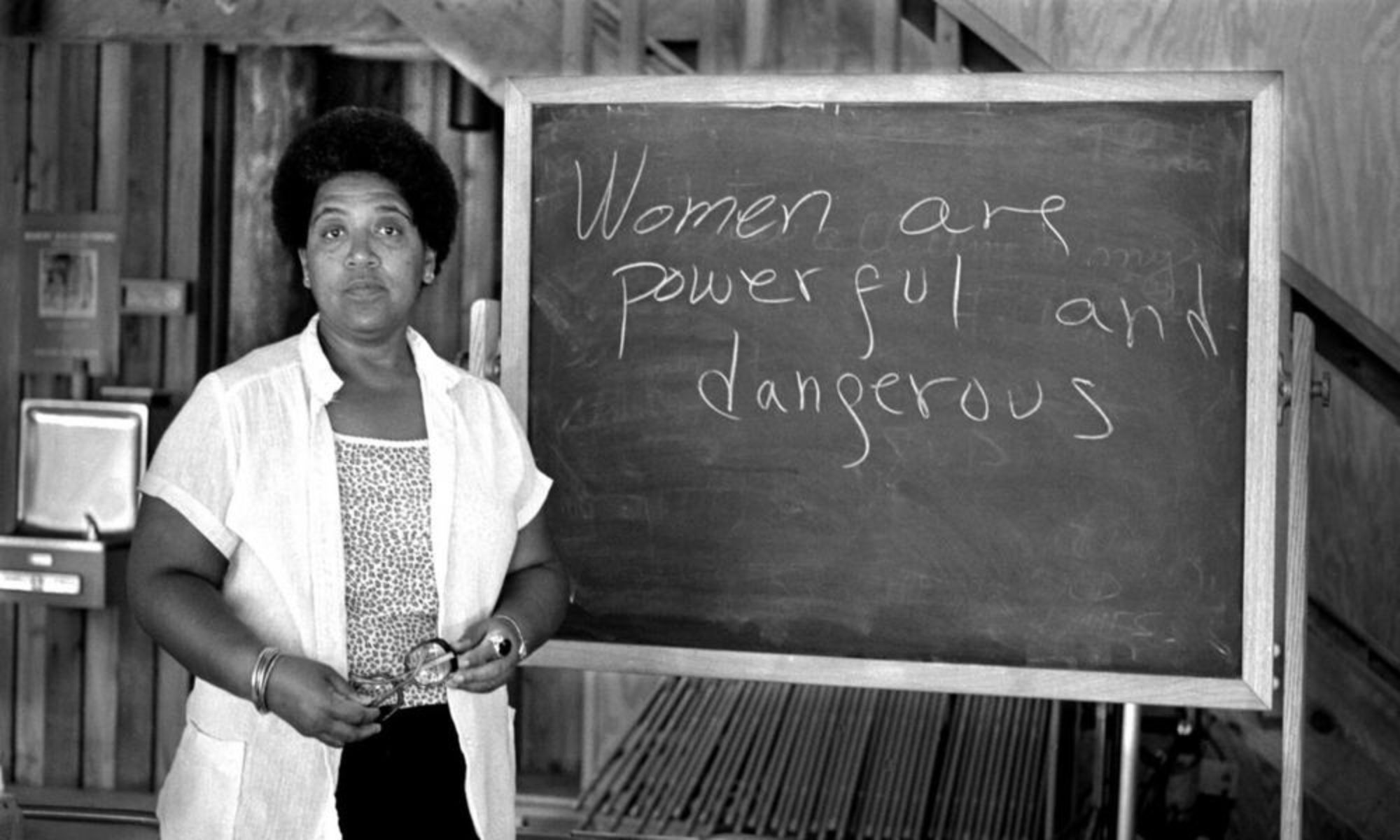
I argue for how women misconduct by men in certain places especially in workplace. I am researching on how they could be free from sexual harassment, making platform for people of sexual abuse and harassment to speak up is important. Also, demanding of changes in the workplace to be taken for a safer environment and to seek justice for victims. as it relates to women/gender/sexuality studies (whichever is appropriate, which is supported by evidence from resources like how sexual harassment could end: See the Signs & Speak Out: Become an Upstander, Encourage, Support Act! Bystander Approaches to Sexual Harassment in the Workplace, https://www.rainn.org/national-resources-sexual-assault-survivors-and-their-loved-ones. These are some organizations and actions I would like to include in my project.
Conferences, comments and other things that start with c…
Hi All,
Please sign up for a conference time with me! We’ll go over your progress in class and anything else you want to talk about. You can choose from days this week or next week. Use this doodle poll >> https://doodle.com/poll/bib9hhzwzcqz2yqc
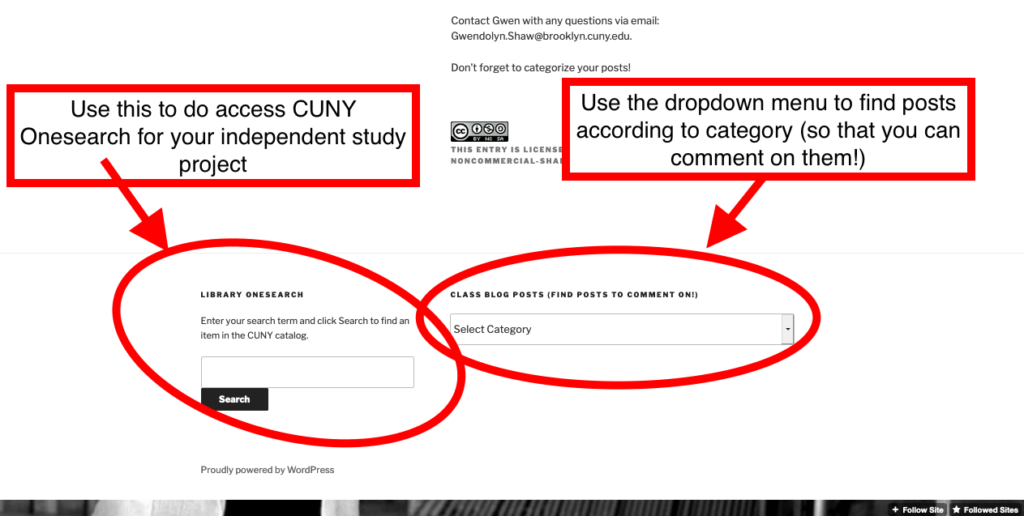
I’m sorry that I think I forgot to tell you about this, but I changed the bottom items on the course site to make things easier to find. I’ve attached a library search box that will allow you to search for info about your independent study from the cuny library system at the bottom left, and at the bottom right, I’ve included a drop down of posts by category so that you can find posts to comment on more easily. I apologize that it isn’t as easy as it could be up until now. I’ve attached a screenshot, too.
Thanks and keep on keepin’ on,
Gwen
Week of April 27 update – You are doing a great job
Hi all,
As I work on a schedule for one on one conferences and progress reports, I found myself amazed by your tenacity and continued good work on the course site. You are killing it! Keep up the good work.
Look out for an email with a doodle poll–please fill it out for a time to chat with me privately. I’ll send/share your progress reports soon.
Keep doing the check ins–it is helpful for me to see where you are and how you are feeling/doing, and I hope it is helpful for you to have an opportunity to reflect and self-assess.
Don’t forget to keep up with your independent study–this week you should have posted an argument or particular statement that you have noticed that is supported by your research. Think: For this project, I argue for _______ as it relates to women/gender/sexuality studies (whichever is appropriate, which is supported by evidence from __________.
I know it sounds super cheesy and hollow, but I mean it: you all inspire me. In general, yes, but also to be better about my own work and research and get more if it done. Thank you.
Take care and see you soon,
Gwen
Blog 11 : Gender Performance
Hey Queens,
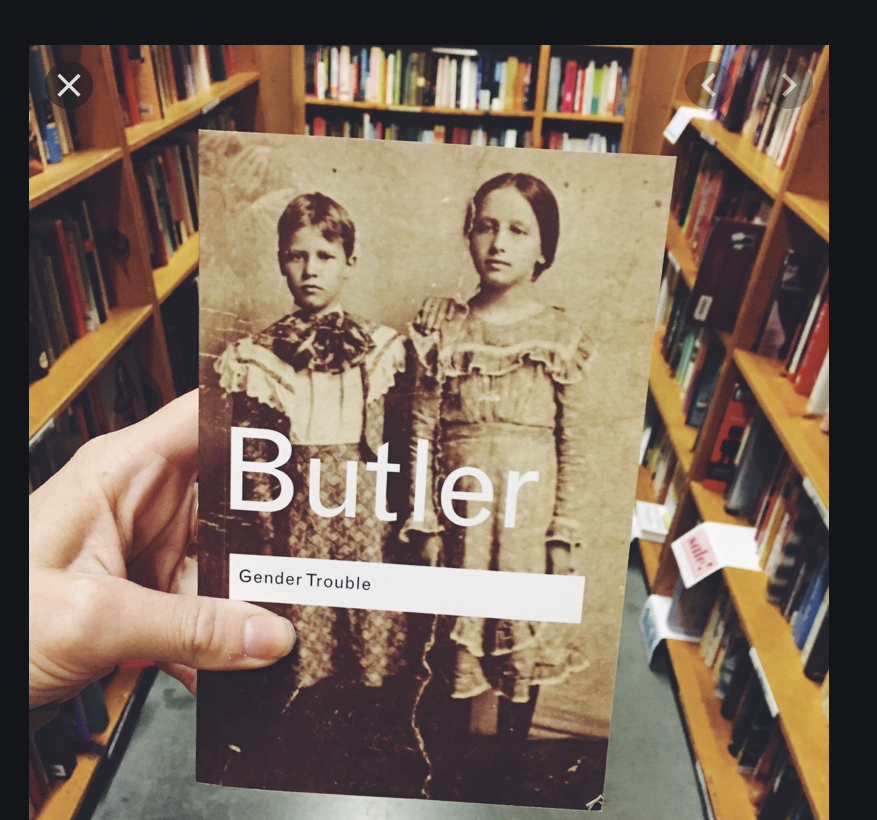
Hope all is well lets talk about Judith Butler and her response on what she means by gender being a performance . She challenges assumptions about that distinctions often made between gender and sex . In the begging I didn’t think that long or think that hard about what the term itself meant but after reading Judith Butlers theory on it I must say I have a new stance on what it means to be a woman .
The old fashioned term doesn’t justify what a woman Is . Judith mentions that “ It would make no sense to define gender as the cultural interpretation of sex, if sex itself is a gendered category’’ .We must e bale to express ourselves and identify ourselves based on our performance . In her book she also uses Simone de Beauvoir to help defend her argument as he states “ One is not born a woman, but rather becomes one’’ . We aren’t born woman , we grow into one and all our journeys aren’t the same . So who are we to judge ? .
FYI , I don’t think Butler is saying that we should bash the traditional way we classify What gender is but it shouldn’t be the only contributing factor to what people choose to identify theirselves because the truth of the matter is gender is created by it own performance ‘’and people should be able to express that and not be looked at sideways . I agree with butlers when she argues that we as a society need to create gender trouble by disrupting the gender binary because there is trouble in paradise if you ask me .
What are your thoughts Queens ??
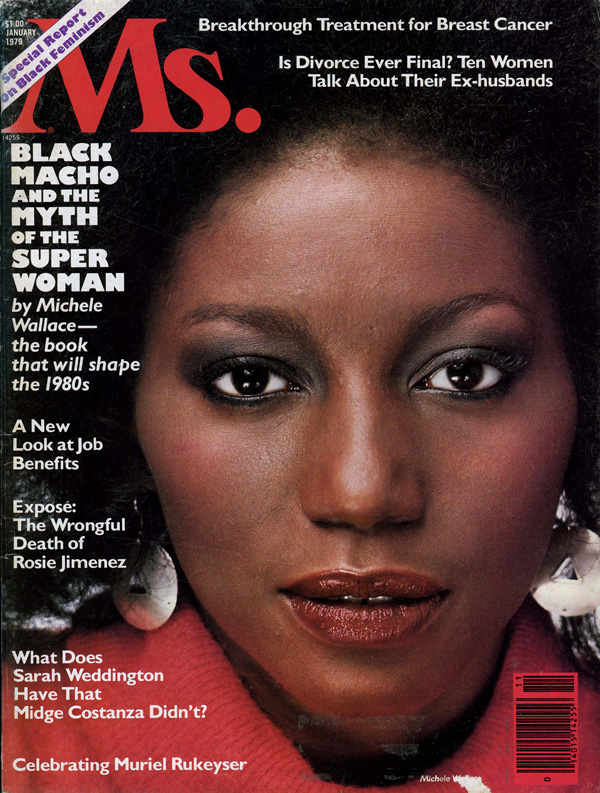
Black Macho and the Myth of the Superwoman Presentation
Blog Post 12
Material Feminism is feminism that focuses on the material conditions of the social world. According to the idea of material feminism, gender is a social construct, and gender roles are forced onto women. The goals, are to make it the social norm for women to be treated the same as men, economically and socially. The main strive is to target and focus on social change, rather than a change in the capitalist system. It also acknowledges that certain races and ethnicities are pressured to remain in their lower-income status, and the privileged remain privileged. The newest aspect added to this class is the focus on social changes, rather than systematic changes.
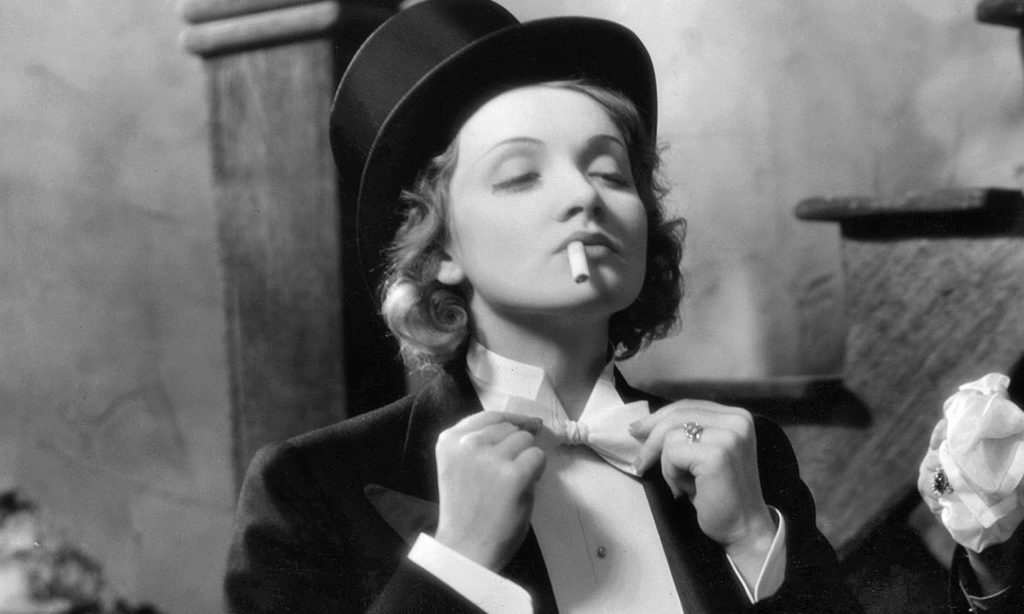
BLOG POST #11 Performing Gender

Performing gender is a way of expression, which can be anything from how you dress, your mannerisms, and even how you treat others. Although it isn’t something I have consciously thought about, society teaches us from a very young age how one should behave. Below I describe how my childhood transformed me into how I express myself and perform my gender today and how my femininity is defined and influenced by the culture.
I went to school and played on the playground just like any kid, but I would say this environment had one of the greatest impacts on how I express my gender. Uniforms were required, and girls had to wear skirts, cardigans, and Mary Jane dress shoes, while the boys wore pants, plain white dress shirts, and plain black shoes. Our attire aided what was reinforced to female students. When sitting, we had to cross our legs, and it was expected that we adhered to the rules or there would have been consequences like being reprimanded. The boys had more freedom to do as they please. Girls were told to play with each other and stay away from the boys. The types of games and activities we took part in strengthened the division that was in place to enforce the behaviors of our gender. Girls interacted by playing double-dutch or jumping rope. Some played with dolls by brushing the hair and applying accessories. These acts informally taught us that image and presentation was an imperative characteristic of being female. Miniature kitchen sets taught us that cooking was a feminine duty, whereas the boys would play with sports equipment and get involved with other activities that focus on improving physical abilities and competitive drive.
My family has always expected me to perform my gender. If I strayed away from what was stereotypically feminine, then I was told that what I was doing wasn’t “ladylike.” If I was rambunctious, I was told to sit still. I was taught to have manners and that as a young lady, it is respectful and polite to say please and thank you. For holidays, my grandmother gifts me with frilly dresses and purses. My mother buys me aromatic lotions and perfumes because, as a girl, it is seemingly important to smell pleasant and to have soft skin, while my brothers receive items such as bicycles and footballs. In contrast, my father has leveled out the expectations of gender roles. He cooks, cleans, and takes care of his children. He is involved in domestic duties in ways the “typical” man isn’t. He asserts that women should not be limited to what they can and can’t do. He teaches me to be assertive, confident and reiterates that my mind should be my strongest weapon, not my body. He has taught me to take pride in myself while remaining humble and to get my education to rely on myself rather than other people.
For a while, I believed that women and men had to perform their gender accordingly. After I became aware of the social dynamics, I realized that gender roles are a scam to make men dominate and women submissive. These inequalities, for a long while, made me feel inferior. But times have changed, and so have I. I have made education a crucial part of my development and personal growth. Years ago, women weren’t even allowed to go to school. But here I am writing this post for a college course. We have come a long way. The progress makes me happy about the changes to come in the near future.
Blog Post #10 Culture Wars & Feminism
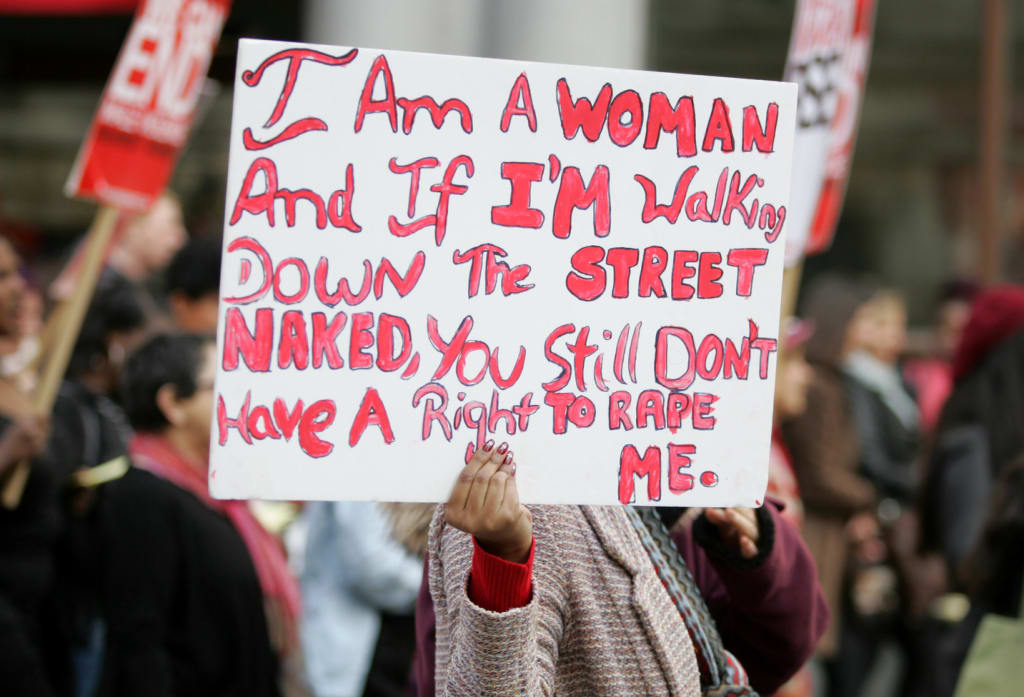
Culture wars can be described as two halves of the same whole attempting to live out their differences harmoniously, but with such differences of a complex subject such as feminism, there is often much in-fighting and tumultuous division. These wars are competitions so to speak between the partially privileged white women of the second wave and the frequently excluded women of color of the third wave, who face a wholly different set of setbacks and discrimination based on their varying sexual orientations, identifications, and cultures.
On page 10 of “Third Wave Agenda”, Heywood goes on to include a quote from historian David Roediger, “ Whiteness describes, from Little Big Horn to Simi Valley, not a culture but precisely the absence of culture. It is the empty and there-fore terrifying attempt to build an identity based on what one isn’t and on whom one can hold back”. White feminism has often been criticized as a misrepresentation of conflicting agendas of privilege and struggle.
These culture wars are a large part of feminism because they define the direction and progress of the movement. If feminists don’t focus on the grander scheme of things, this divisive mentality will cost them all they have already fought for. In modern times, we can already see how this has affected how other people view feminism and feminists. It may be a hard pill to swallow, but many people view and wrongfully portray feminism as a man-hating movement. This confusion of what feminism is leads people to believe the misconceptions, preventing those who are ready for the much-needed change to move forward.
*The reason I make the distinction of white women being partially privileged is the mere fact that although they face women-centered discrimination, they’re living in a white-dominated society where anything that is ethnic or cultural is shot down and appropriated.*
Material Feminism – Blog Post 12
It is my understanding that material feminism is a branch of feminism that takes a more diverse approach to fighting against social injustices faced by women. This is accomplished by shedding light on how gender and sexuality intersect in society with capitalism and patriarchy. Each day human beings continue to prove more and more how money/status is more important than basic humanity in our society thus creating discourse within the world. This behavior allows for the way in which society values the rights of women as compared to those of men. These societal binaries often make it hard for women to exercise (or gain) the same rights and economic success as males. That is where material feminism comes in. To shed light on these injustices faced by the women within capitalist and patriarchal societies dominated by males. There is a clear imbalance of opportunity for those who are of non-privileged race and or gender and material feminist look to achieve social change. They want to pinpoint why these afflicted classes are unable to succeed in the same ways that privileged classes can so easily & figure out what exactly needs to be altered within the current capitalistic society.

Oral History – Blog Post 6
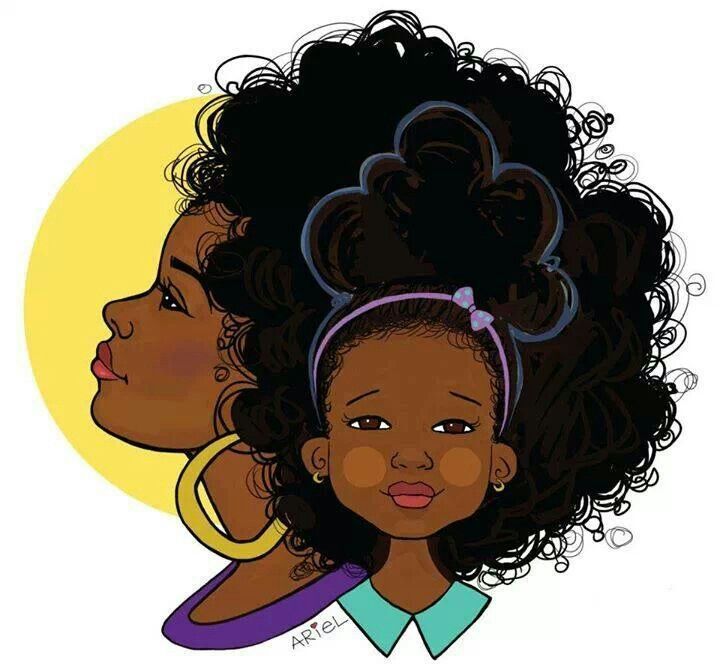
Transcribed below is the interview that I conducted with my mother who was born in 1965 Brooklyn, NY. She lived with her mother and three older sisters in a private home supported solely by her mother who worked two jobs at the time to support herself and her daughters. Her youth was very carefree and separate from the wave of activism that was crashing through during this era.
Self: What was it like growing up as an African American girl/teen in Brooklyn, NY circa the 1970s?
Mom: My childhood was very fun. I enjoyed school and hanging out with my small group of friends. We lived right on Nostrand avenue in a very cultured neighborhood. My friend group consisted of 4 girls. One of my friends was named Evelyn. She was a Puerto Rican girl whose family owned a nearby bodega. That was one of our main hang out spots ; the corner store. We used to throw fish from the fish market at the buses as they passed the store ; we were bad (laughs). I also had three other friends named Rhonda, Mildred, and Darthia who happened to be sisters. They lived around the corner from me. We had a “clubhouse” across the street from their house that we all hung out in. it was actually just an abandoned house (laughs).
Self: What kind of clothes were girls your age wearing?
Mom: I would see a lot of girls in leather miniskirts and vest combos, eskimo coats, sneaker streakers, pro-keds, and my favorites, earth shoes. Easter was when you’d see people put on their best outfits; it was the time to show off! My mother dressed me very formally. While I’d see other kids casually dressed I’d always have on a dress or skirt with stockings. The clothes were great quality but, they weren’t “cool”. She’d put me in such frilly girly outfits for special occasions which was not me at all. The worst part were the stiff patent leather shoes she’d make me wear with the huge buckle. I begged my mom and sisters for a pair of earth shoes (sneakers) and when I finally got a pair one day I couldn’t wait to try them out. I used to run up and down the block full speed in my sneakers ; I always thought that if you were wearing sneakers you HAD TO run so, I made sure to test them out. They were so comfortable.
Self: What about boys?
Mom: Denim, corduroys, bomber jackets, sneakers, stuff like that. Very casual.
Self: How does that differ from the stylistic choices of kids/teens you see in present day?
Mom: I see too many holes in their clothes nowadays. The 70s were all about glam, more flashy, more funky.
Self: What kind of work did your mom do as you were growing up?
Mom: My mother was a teacher during the daytime and worked as a postal clerk in the evenings.
Self: What was it like growing up in your household specifically? Did any of your siblings or your mother participate in movements that advocated for women’s rights?
Mom: The house was spacious and beautiful. Everyone had their own quarters. There wasn’t much conversation around activism in our house. It was more of a fun and creative environment ; very light. My sisters made clothes, had lots of friends, and threw LOTS of parties when my mother was not home.
Self: As an adolescent growing up in this era of activism did you feel that it impacted the way in which you grew up? Why or why not?
Mom: No, activism wasn’t a huge part of my life. I was very young and just growing up day by day, year by year. A lot of those years were spent learning how to take care of myself.

